
נמלטים – שכירי חרב נאצים במלחמה הקרה

לאחר מלחמת העולם השנייה הבטיחו בעלות הברית לרדוף את הפושעים הנאצים "עד קצה העולם". אלא שבפועל זה לא ממש קרה. לצד רבים מתלייניו של היטלר שנמלטו לאמריקה הדרומית, רבים יותר נשארו באירופה; ומבין אלה, רבים מוותיקי הס"ס ושירותי הביטחון הנאציים לא הניחו בתום המלחמה את נשקם: הם נעשו שכירי חרב באירופה ובמזרח התיכון, ומילאו תפקיד […]
בוגדים למען המולדת/ המורדים הפטריוטים של יפן

היו ימים שבהם הטיל הצבא הקיסרי היפני אימה על חלקים נרחבים באסיה. חייליו נודעו באומץ ליבם, באכזריותם, ועל פי הדימוי הרווח, בציות עיוור לפקודות. אויביה של יפן במלחמת העולם השנייה תיארו את החיילים היפנים כמשוללי רצון עצמאי. כל פקודה, ולו גם למות למען מטרה אבודה, נענתה בציות מידי. המציאות ההיסטורית שונה מן הדימוי. החיילים היפנים […]
ואלקירי ההתנגדות הגרמנית להיטלר
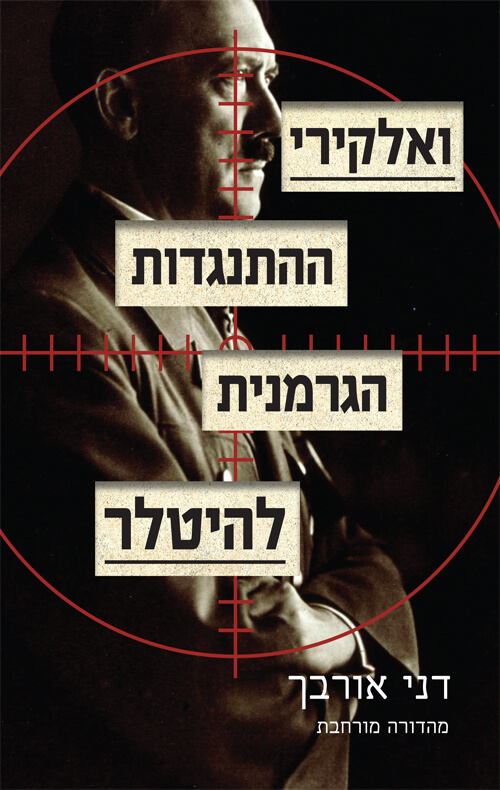
הרייך השלישי, 20 ביולי 1944. קולונל קלאוס פון שטאופנברג, קצין גרמני בכיר, טומן תיק נפץ ב'מאורת הזאבים', מטה הפיקוד של היטלר בלב היערות שבפרוסיה. דקות קודם לכן החלה במאורה הפגישה בין היטלר להנהגת הוורמאכט. שטאופנברג הותיר את התיק מאחוריו, יצא את החדר, ובעוד הוא נע לעבר שערי המחנה שמע מאחוריו את הפיצוץ. הוא הביט לאחור, […]
Let the Commander Respond: The Paradox of Obedience in the Imperial Japanese Armed Forces (with Ziv Bohrer)
Between 1870 and 1945, the Imperial Japanese Army and Navy provided uniquely broad legal protection to subordinates who perpetrated crimes under the orders of military superiors. Legal immunity was provided not only to soldiers who obeyed orders contrary to international law, but also to those who under orders violated domestic standing legislation of the Japanese […]
From Deception to Mass Murder: Operation Mole and the Kafr Qasim Massacre Reconsidered (with Yagil Henkin)
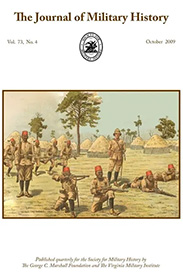
On 29 October 1956, the first day of the Suez War, detachments of the Israeli Border Police massacred forty-seven Arab men, women, and children in the village of Kafr Qasim. Although the government and army denounced the atrocity, some historians have since argued that the massacre was planned by high-level military and government circles. The […]
Former Nazis in German Intelligence Politics: The Exposure of Moles and Reckless Decision Making, 1959–1962
The early history of the postwar West German foreign intelligence service is replete with accounts of former Nazi security officers who were recruited by the newly founded service thanks to their professional experience, connections, and anti-Soviet credentials, only to later be exposed as Soviet moles. Focusing on the case of Heinz Felfe, this article puts […]
The Military-Adventurous Complex: Officers, adventurers, and Japanese expansion in East Asia, 1884–1937
Japanese imperialism was one of the most important driving forces in the history of modern East Asia. One influential group of actors at the grassroots level were the so-called 'continental adventurers' (tairiku rōnin) – Japanese nationals who travelled in Korea and China on the lookout for adventures and employment opportunities. Some of them worked part […]
Irregular Warfare in Late Medieval Japan: Towards a Historical Understanding of the “Ninja” (with Polina Serebriakova)
The Japanese ninja are known in the west mainly by the romantic image of the secret agent, or assassin, endowed with superhuman powers. Yet there is a lack of serious scholarship on the actual warriors who became the subject of the myth. This paper seeks to use the full extent of primary sources from the […]
Pure Spirits: Imperial Japanese Justice and Right-Wing Terrorists, 1878–1936
“By Not Stopping”: The First Taiwan Expedition (1874) and the Roots of Japanese Military Disobedience

On April 26, 1874, Lieutenant General Saigō Tsugumichi, the commander of an impending Japanese invasion to Taiwan, was ordered by the Meiji government to withhold the expedition at the last moment, but he defied his political leaders and invaded the island. This article explores what circumstances led Saigō to disobey and how his decision indirectly […]